Clinic & Procedures
Chicagoland
(815) 846-0037 2 providers
A common circulatory problem where narrowed arteries reduce blood flow to the limbs, most often the legs. VIS offers minimally invasive treatments to restore blood flow.
Reviewed by VIS clinical team Last reviewed: May 2026
Peripheral Arterial Disease (PAD) is a common condition in which the arteries that supply blood to your legs and feet become narrowed or blocked by a buildup of fatty deposits (plaque). This reduces blood flow to your limbs and can cause pain, numbness, and in severe cases, tissue damage.
PAD affects approximately 8.5 million Americans and is a significant risk factor for heart attack and stroke. Early detection and treatment are critical.
Our interventional radiologists specialize in minimally invasive treatments that restore blood flow without traditional bypass surgery.
A small balloon is inflated inside the narrowed artery to widen it, and a stent (small wire mesh tube) may be placed to keep the artery open.
A specialized catheter with a cutting device is used to remove plaque from inside the artery, restoring normal blood flow.
For acute blockages caused by blood clots, medication is delivered directly to the clot through a catheter to dissolve it.
Our board-certified interventional radiologists perform these procedures in our outpatient clinics, meaning shorter recovery times, fewer complications, and lower costs compared to hospital-based procedures.
Peripheral Arterial Disease (PAD) is a common condition in which the arteries that supply blood to your legs and feet become narrowed or blocked by a buildup of fatty deposits (plaque). This reduces blood flow to your limbs and can cause pain, numbness, and in severe cases, tissue damage.
PAD affects approximately 8.5 million Americans and is a significant risk factor for heart attack and stroke. Early detection and treatment are critical.
Common symptoms include painful cramping in the legs when walking (claudication), leg numbness or weakness, coldness in the lower leg or foot, sores on the toes, feet, or legs that won’t heal, change in color of the legs, hair loss on the feet and legs, and slower toenail growth.
Risk factors include smoking, diabetes, high blood pressure, high cholesterol, age over 50, family history of PAD, heart disease or stroke, and obesity.
Our interventional radiologists use minimally invasive treatments that restore blood flow without traditional bypass surgery. Options include angioplasty and stenting (a small balloon widens the narrowed artery and a stent may be placed to keep it open), atherectomy (a specialized catheter removes plaque from inside the artery), and thrombolysis (medication delivered directly to a blood clot through a catheter to dissolve it).
Procedures performed in our outpatient clinics offer shorter recovery times, fewer complications, and lower costs compared to hospital-based procedures.
At Vascular & Interventional Specialists, we specialize in minimally invasive treatments for peripheral artery disease, including angioplasty, stenting, and atherectomy. Early intervention is key to preventing serious complications.
Contact us today or call (605) 217-5617 to schedule a vascular screening.
If you experience sudden leg pain, numbness, or coldness in a limb, seek urgent medical attention by calling 911.
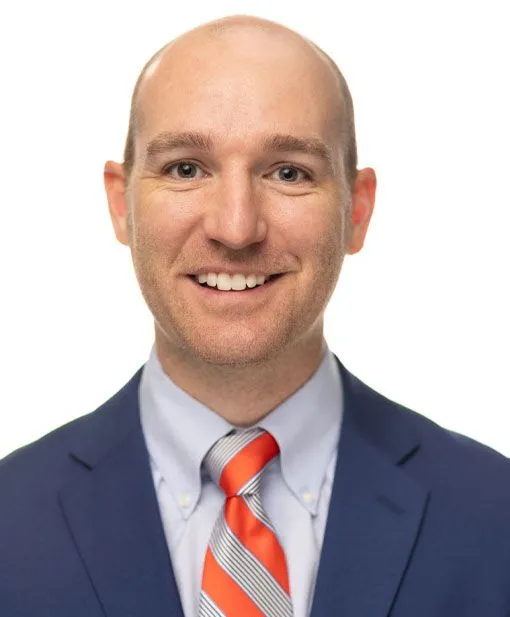
Vascular Surgeon

Vascular Surgeon

Vascular Surgeon

Vascular Surgeon

Vascular Surgeon

Interventional Radiologist
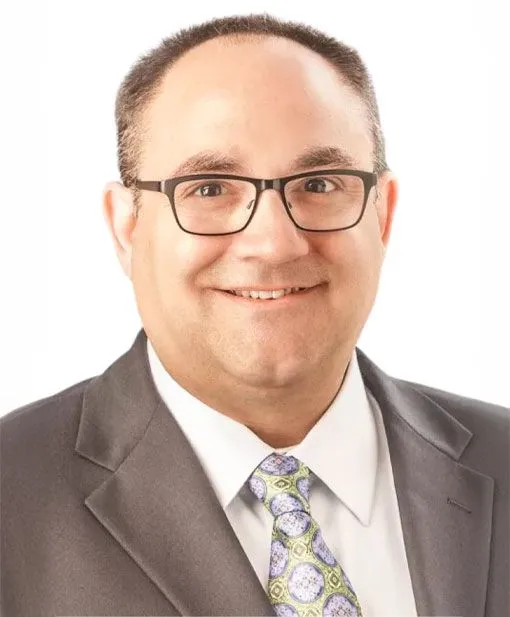
Interventional Radiologist

Vascular Surgeon

Interventional Radiologist

Vascular Surgeon

Vascular Surgeon
Dakota Dunes Clinic
345 W. Steamboat Dr. , Suite 601
Dakota Dunes, SD 57049
Dakota Dunes Procedure Center
345 W. Steamboat Dr. , Suite 701
Dakota Dunes, SD 57049
Lee's Summit
3600 NE Ralph Powell Rd. , Suite A (Procedures) / Suite D (Clinic)
Lee's Summit, MO 64064
+1 more locations
Omaha Clinic
17404 Burke St. , Suite 102
Omaha, NE 68118
Omaha Procedure Center
17410 Burke St. , Suite 105
Omaha, NE 68118