Clinic & Procedures
Chicagoland
(815) 846-0037 2 providers
Enlarged, twisted veins visible just under the skin, most commonly in the legs. VIS offers minimally invasive treatments that eliminate varicose veins without surgery.
Reviewed by VIS clinical team Last reviewed: May 2026
Varicose veins are enlarged, swollen, and twisting veins, often appearing blue or dark purple. They occur when faulty valves in the veins allow blood to flow in the wrong direction or to pool, causing the veins to stretch and become visible under the skin.
While any vein can become varicose, the veins most commonly affected are those in the legs and feet because standing and walking increase the pressure in the veins of the lower body.
If self-care measures — such as exercise, elevating your legs, or wearing compression stockings — haven’t helped, or if you’re concerned about the appearance of your veins, schedule a consultation with one of our interventional radiologists.
At VIS, we use minimally invasive techniques that treat varicose veins without traditional surgery. Most procedures are performed in our outpatient clinics and take less than an hour.
A thin laser fiber is inserted into the affected vein using ultrasound guidance. The laser delivers energy that causes the vein to close and seal shut. Blood is naturally rerouted through healthier veins.
Similar to EVLA, but uses radiofrequency energy instead of laser energy. A catheter delivers controlled heat to the vein wall, causing it to collapse and seal.
A solution is injected directly into the affected veins, causing them to scar and close. This is particularly effective for smaller varicose veins and spider veins.
A medical adhesive is delivered inside the diseased vein to close it. This technique requires no tumescent anesthesia and allows patients to return to normal activities quickly.
Most patients return to normal activities within 1-2 days. Compression stockings may be recommended for 1-2 weeks following the procedure. Strenuous activity should be avoided for about a week.
Varicose veins are enlarged, swollen, and twisting veins, often appearing blue or dark purple. They occur when faulty valves in the veins allow blood to flow in the wrong direction or to pool, causing the veins to stretch and become visible under the skin.
While any vein can become varicose, the veins most commonly affected are those in the legs and feet because standing and walking increase the pressure in the veins of the lower body.
If self-care measures such as exercise, elevating your legs, or wearing compression stockings haven’t helped, or if you’re concerned about the appearance of your veins, schedule a consultation with one of our interventional radiologists.
No. At VIS, we use minimally invasive techniques that treat varicose veins without traditional surgery. Most procedures are performed in our outpatient clinics and take less than an hour. Options include endovenous laser ablation (EVLA), radiofrequency ablation (RFA), sclerotherapy, and the VenaSeal closure system.
In endovenous laser ablation, a thin laser fiber is inserted into the affected vein using ultrasound guidance, and the laser delivers energy that causes the vein to close and seal shut. Radiofrequency ablation works similarly but uses radiofrequency energy instead of laser energy. In both cases, blood is naturally rerouted through healthier veins.
Most patients return to normal activities within 1-2 days. Compression stockings may be recommended for 1-2 weeks following the procedure, and strenuous activity should be avoided for about a week.
At Vascular & Interventional Specialists, we offer a range of minimally invasive treatments for varicose veins, including radiofrequency ablation, sclerotherapy, and VenaSeal closure — all performed as outpatient procedures.
Contact us today or call (605) 217-5617 to schedule your consultation.
If you experience emergency symptoms such as sudden swelling, warmth, or redness in your leg, seek urgent medical attention by calling 911.
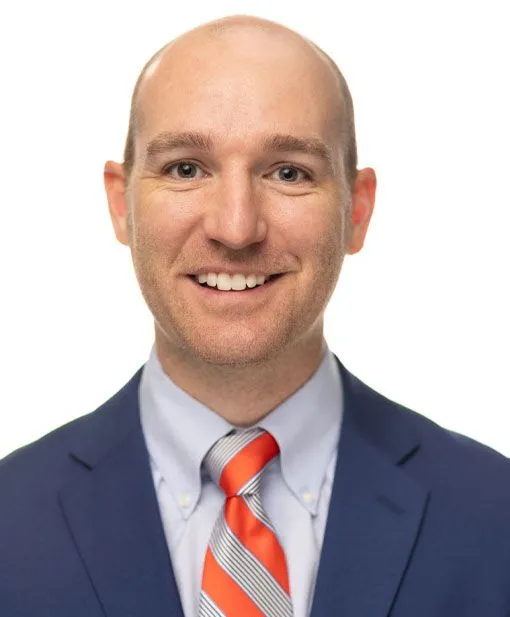
Vascular Surgeon
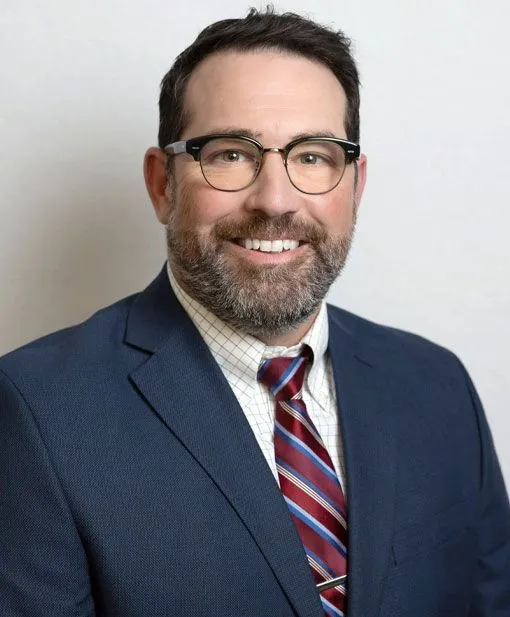
Vascular Surgeon
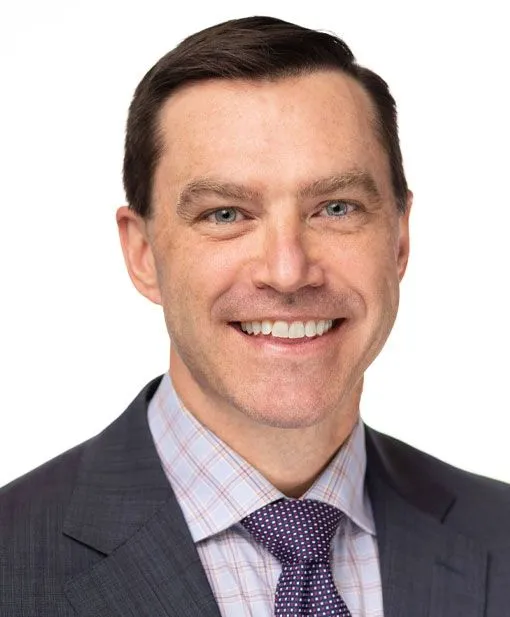
Vascular Surgeon
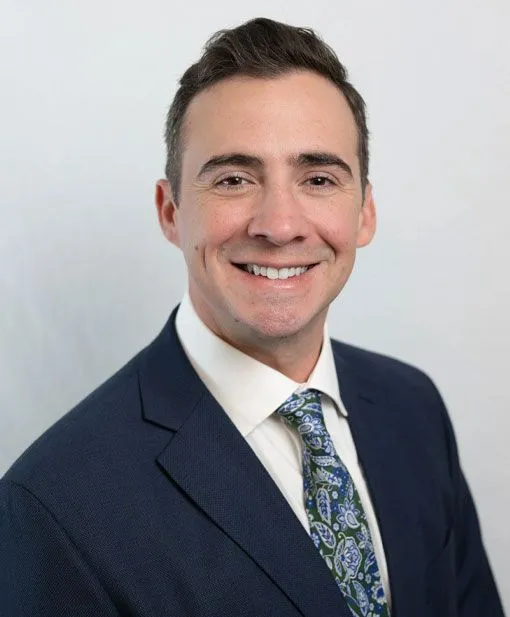
Vascular Surgeon
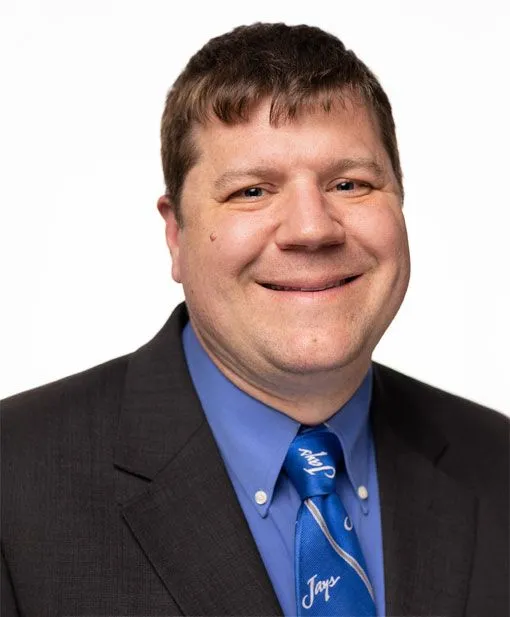
Vascular Surgeon
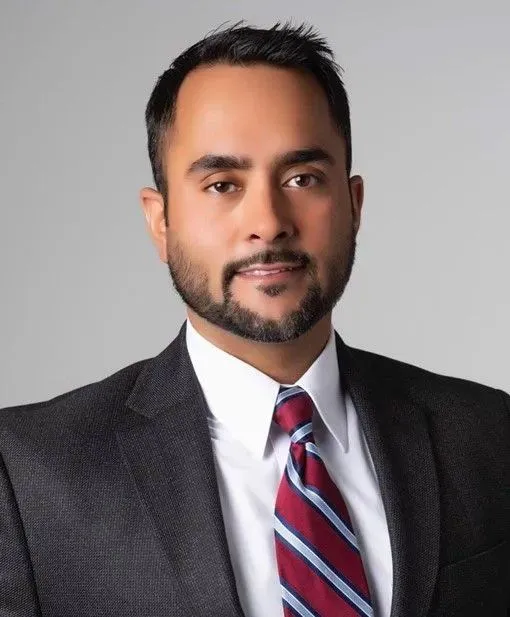
Interventional Radiologist
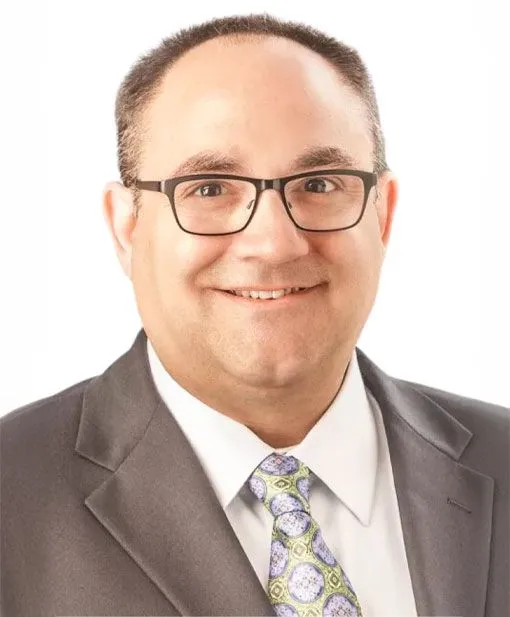
Interventional Radiologist
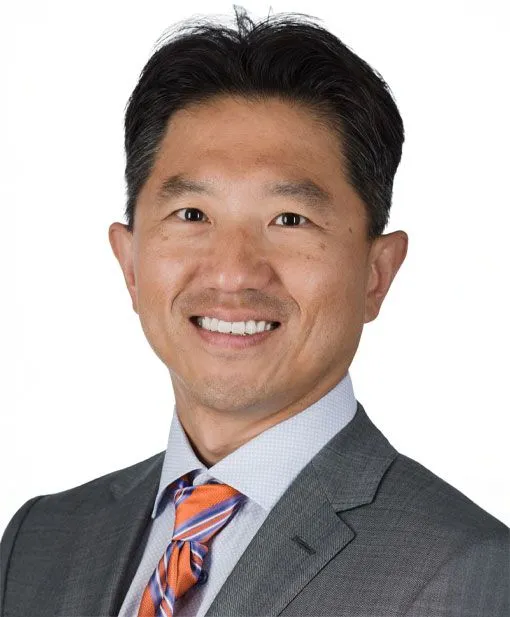
Vascular Surgeon
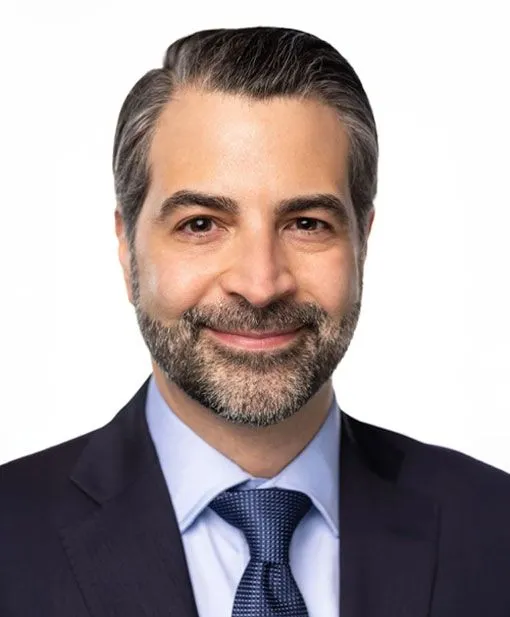
Interventional Radiologist
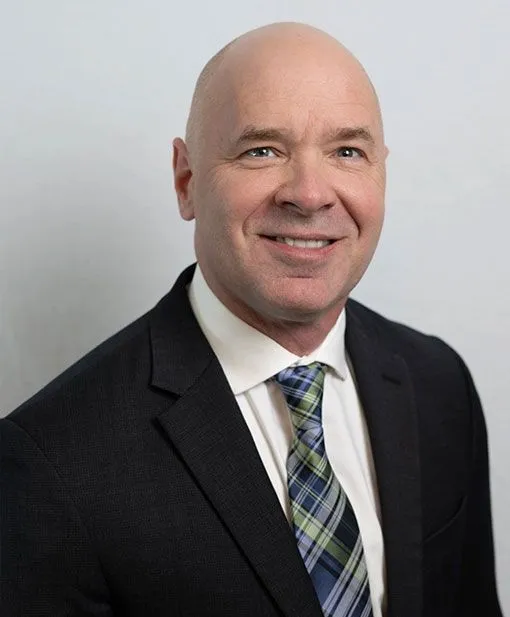
Vascular Surgeon
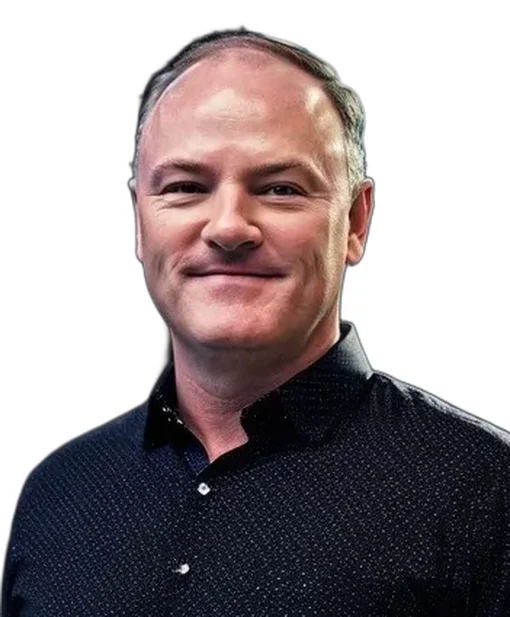
Vascular Surgeon
Dakota Dunes Clinic
345 W. Steamboat Dr. , Suite 601
Dakota Dunes, SD 57049
Dakota Dunes Procedure Center
345 W. Steamboat Dr. , Suite 701
Dakota Dunes, SD 57049
Lee's Summit
3600 NE Ralph Powell Rd. , Suite A (Procedures) / Suite D (Clinic)
Lee's Summit, MO 64064
+1 more locations
Omaha Clinic
17404 Burke St. , Suite 102
Omaha, NE 68118
Omaha Procedure Center
17410 Burke St. , Suite 105
Omaha, NE 68118