
What "Embo" Means: A Plain-English Guide to Embolization
You may have heard one of our physicians use the word "embo." It's our shorthand for embolization — a family of minimally invasive, image-guided procedures performed through a tiny puncture in the skin rather than open surgery.
The idea behind every embolization is the same. Using live X-ray imaging, a board-certified interventional radiologist guides a thin catheter to the small arteries feeding a problem area, then places microscopic particles to reduce blood flow to that spot. Less blood flow to the source can mean less inflammation, less bleeding, or a shrinking growth, depending on what's being treated.
Because there's no large incision, most embolization procedures are done as an outpatient visit. People typically go home the same day. Whether embo is the right fit depends on your situation, and candidates are evaluated individually by our interventional team.
The Embo Family at a Glance
Embolization treats very different conditions, but the approach has a lot in common across the board.
Minimally invasive
performed through a small skin puncture, not open surgery.
Image-guided
the physician navigates using live X-ray imaging.
Outpatient
most people go home the same day.
No general anesthesia for most patients
typically done under local anesthesia with sedation.
These describe the approach, not promises about your individual recovery.
The Conditions We Treat With Embolization
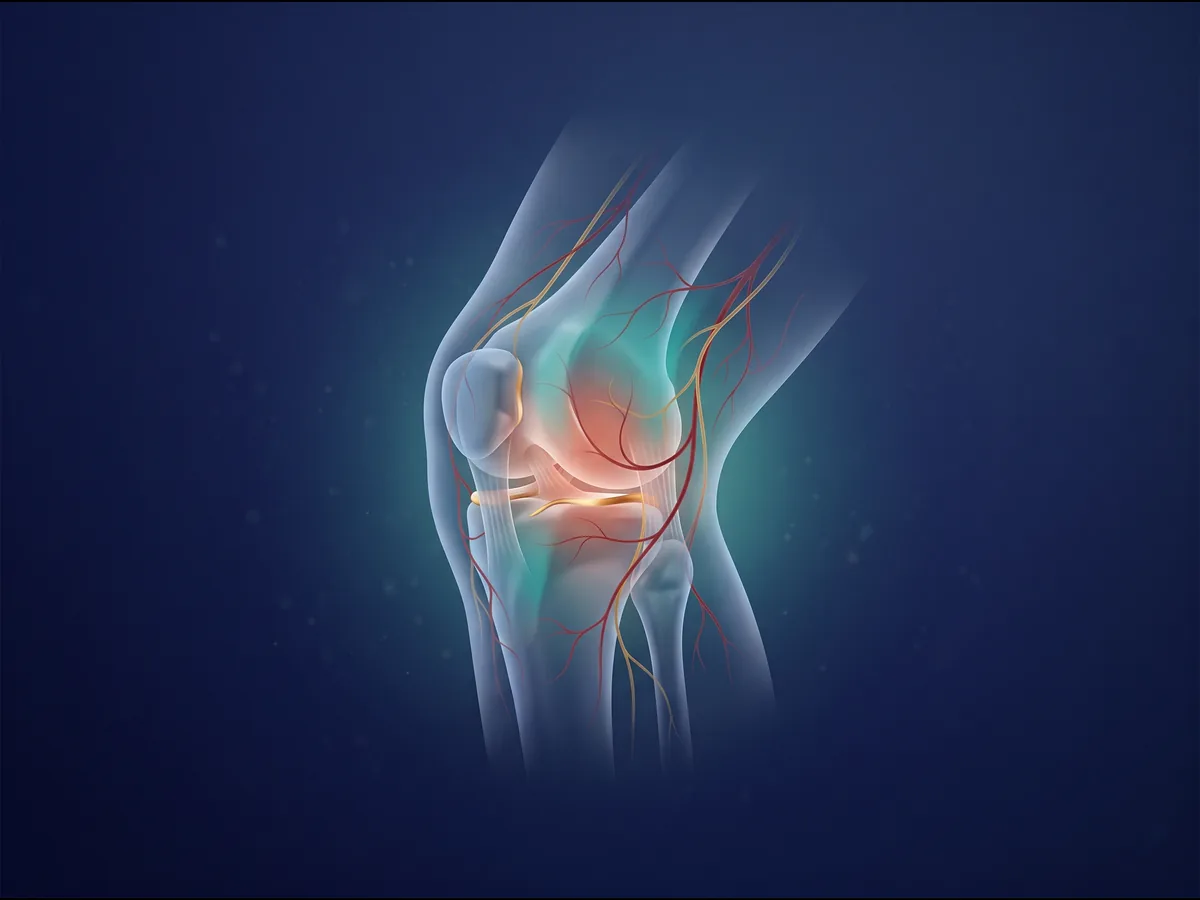
Knee embo (genicular artery embolization, or GAE — a non-surgical knee procedure)
If you have chronic knee pain from osteoarthritis and injections or physical therapy haven't given you lasting relief, knee embo may be worth a conversation. GAE targets the small arteries feeding inflammation in the knee, and it's done without the incisions of joint-replacement surgery. It may be an option for people who want to avoid or delay surgery.
Learn about knee osteoarthritis & GAE →
Prostate embo (prostate artery embolization, or PAE — a non-surgical treatment for an enlarged prostate)
An enlarged prostate (benign prostatic hyperplasia, or BPH) can make urinating frequent, urgent, or difficult. Prostate embo reduces blood flow to the prostate, an approach used to address urinary symptoms from an enlarged prostate, without the cutting or scraping of traditional prostate surgery. Whether it eases your symptoms is something to review with our interventional team.
Learn about prostate enlargement & PAE →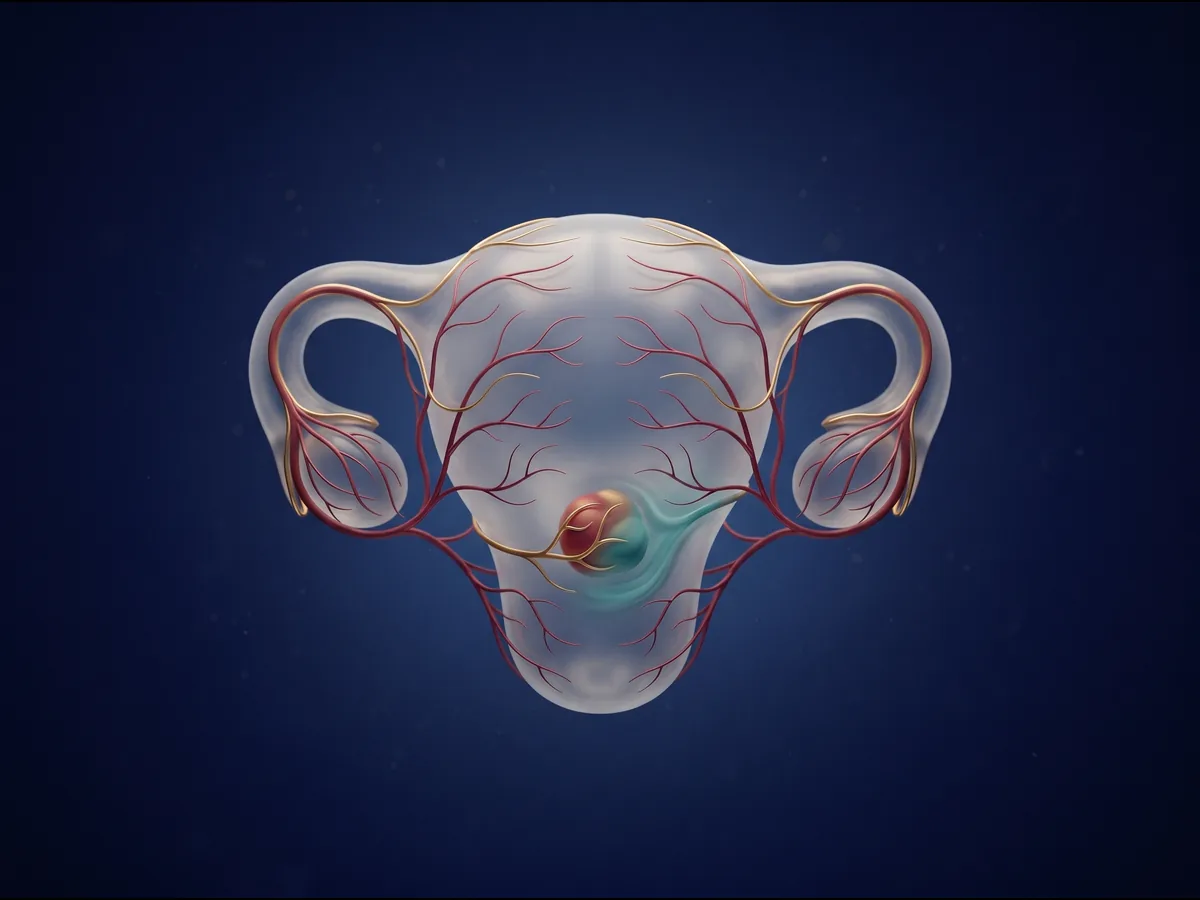
Fibroid embo (uterine fibroid embolization, or UFE — a non-surgical treatment for uterine fibroids)
Uterine fibroids can cause heavy periods, pelvic pressure, and other disruptive symptoms. Fibroid embo treats fibroids by blocking the blood supply that feeds them, and it does this while keeping the uterus in place rather than removing it. It's one of several options to discuss, and candidates are evaluated individually.
Learn about fibroids & UFE →
Pelvic embo (for pelvic venous disease, formerly called pelvic congestion — a non-surgical treatment for chronic pelvic pain from problem pelvic veins)
Pelvic venous disease happens when veins in the pelvis don't drain properly, which can cause a chronic ache or heaviness that gets worse after standing. Pelvic embo closes off the affected veins so blood can reroute through healthy ones. It's a minimally invasive option for pain that hasn't responded to conservative care.
Learn about pelvic venous disease →Looking for the full list of what we treat? Browse our conditions directory.
Is Embo Right for You?
Embolization isn't the right answer for everyone, and it isn't a first step for every condition. In general, people consider an embolization procedure when:
- They're dealing with a chronic problem (knee pain, an enlarged prostate, fibroids, pelvic pain) that's affecting daily life.
- More conservative options haven't given lasting relief, or they'd prefer a minimally invasive route.
- They want to understand alternatives to open surgery before deciding.
Every person is different. Our interventional team reviews your history, imaging, and goals to talk through whether an embolization procedure is a reasonable option for you. Candidates are evaluated individually.
What to Expect
A general picture of how an embolization visit tends to go. Your experience will depend on the specific procedure and your own health.
Before
A consultation and imaging review with our interventional team to confirm whether you're a candidate.
During
The procedure is image-guided and done through a small puncture, usually in the wrist or groin. Most patients are under local anesthesia with sedation, not general anesthesia.
After
Most embolization procedures are outpatient, so people generally go home the same day. Your care team will walk you through recovery and follow-up.
Frequently Asked Questions
What does "embo" mean?
"Embo" is our plain-English shorthand for embolization, a family of minimally invasive, image-guided procedures. A board-certified interventional radiologist guides a thin catheter through a small skin puncture to the arteries feeding a problem area, then reduces blood flow to that spot. It's used to treat several different conditions.
What conditions can be treated with embolization?
At VIS, embolization is used for chronic knee pain from osteoarthritis (genicular artery embolization, or GAE), an enlarged prostate (prostate artery embolization, or PAE), uterine fibroids (uterine fibroid embolization, or UFE), and chronic pelvic pain from pelvic venous disease. Other uses, such as hemorrhoid embolization, may also be available. Talk with our interventional team about your specific situation.
Is embolization surgery?
No. Embolization is minimally invasive and image-guided, performed through a small puncture rather than an open incision. Most procedures are done under local anesthesia with sedation, not general anesthesia.
Is it done in the hospital or as an outpatient?
Most embolization procedures are outpatient, which means people generally go home the same day. Your care team will explain what to expect for your specific procedure.
Who is a candidate for embolization?
It depends on the condition, your medical history, your imaging, and your goals. Embolization is often considered when more conservative treatments haven't provided lasting relief, or when someone wants to understand minimally invasive alternatives to open surgery. Candidates are evaluated individually by our interventional team.
How do I find out if embolization is an option for me?
Request a consultation through our contact form or call (605) 217-5617. Our interventional team will review your situation and talk through whether an embolization procedure may be appropriate.
Talk With Our Interventional Team
Not sure where to start? Tell us a little about what you're dealing with and our team will help you figure out whether an embolization procedure makes sense for you.
Prefer to call? Reach us at (605) 217-5617.
Candidates are evaluated individually. This page is for educational purposes and isn't medical advice.
If you're experiencing emergency symptoms, call 911 immediately.